
tinted glass sheet
Understanding the Importance of Backflow Preventer Check Valves Backflow preventer check valves are critical components in plumbing and wastewater management systems, ensuring that contaminated water does not flow back into the clean water supply. These devices are essential for maintaining water quality and protecting public health. This article explores the function, significance, and application of backflow preventer check valves in various settings. What is a Backflow Preventer Check Valve? A backflow preventer check valve is designed to allow water to flow in one direction while preventing reverse flow. This is particularly important in plumbing systems where the potential for contamination exists due to varying pressures. The device consists of two main components a check valve and a backflow preventer. The check valve opens under normal pressure, allowing water to flow through. In the event of a pressure drop, the valve closes, preventing unwanted backflow. Why is Backflow Prevention Important? Backflow can occur due to several factors, including changes in water pressure, pipe bursts, or fire hydrant usage. When this happens, untreated water or other contaminants can enter the potable water system, posing serious health risks. Contaminants may include pesticides, fertilizers, or sewage, all of which can lead to significant public health issues. Many local regulations, such as the Safe Drinking Water Act in the United States, mandate the installation of backflow prevention systems in various environments, including residential, commercial, and industrial establishments. These regulations underscore the necessity of maintaining clean, safe water sources for communities. Applications of Backflow Preventer Check Valves Backflow preventer check valves are used in various applications, each with unique requirements . Some common applications include backflow preventer check valve 1. Residential Plumbing In homes, backflow preventers are commonly installed at the irrigation system connections and boilers. This protects household water supply from potential contaminants that might enter during back-siphonage. 2. Commercial Establishments Restaurants, hotels, and any business that uses water-intensive processes must have backflow prevention devices in place. For example, a commercial kitchen's dishwashing area requires backflow prevention to ensure food and beverage quality. 3. Industrial Processes Industries that handle chemicals or hazardous materials must use backflow preventers to ensure that any harmful substances do not contaminate the water supply. This is crucial for both safety regulations and environmental protection. 4. Municipal Water Supply Systems Cities and towns often install backflow prevention devices in water distribution systems, especially where the system interfaces with residential and commercial properties. Preventing backflow in these systems protects the entire community's water supply. Maintenance of Backflow Preventer Check Valves Regular maintenance and testing are vital to ensure the proper functioning of backflow preventers. Many jurisdictions require annual testing by certified professionals to ensure the device operates as intended. Failure to maintain these systems can result in contamination, legal penalties, and costly clean-up efforts. Conclusion Backflow preventer check valves play an essential role in safeguarding our water supply from contaminants. Their correct installation and maintenance are vital to public health and safety. As we continue to face challenges regarding water quality, understanding and implementing effective backflow prevention measures is paramount. By prioritizing these systems, communities can ensure a safe and clean water supply for all.
about
tinted glass sheet
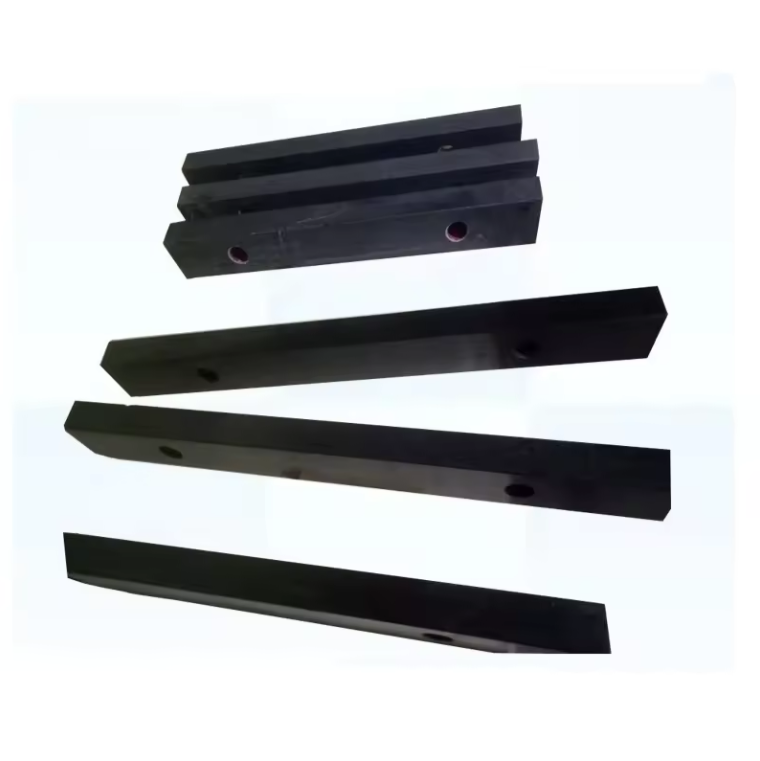
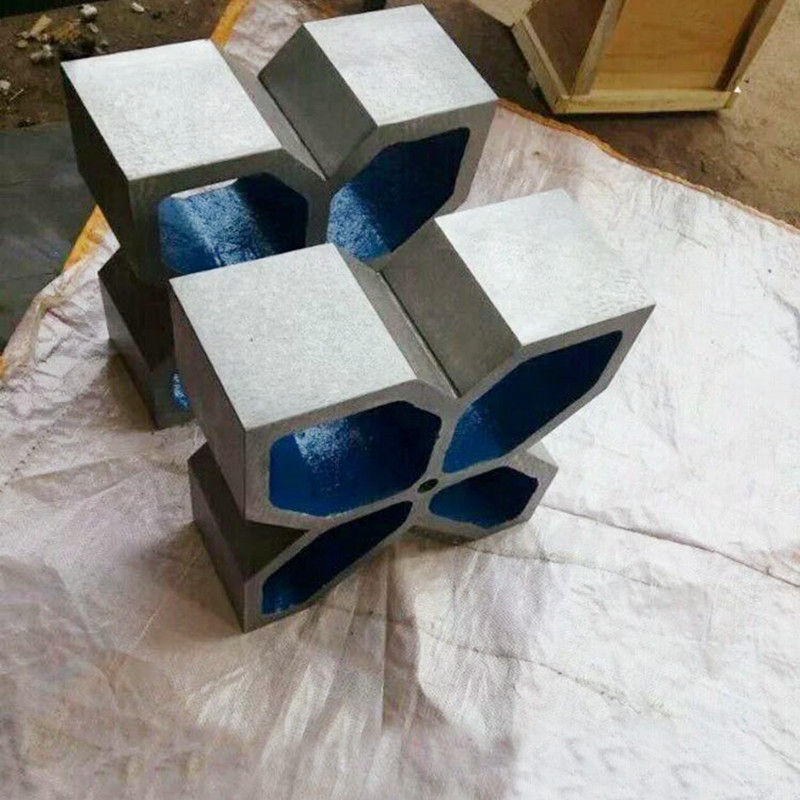
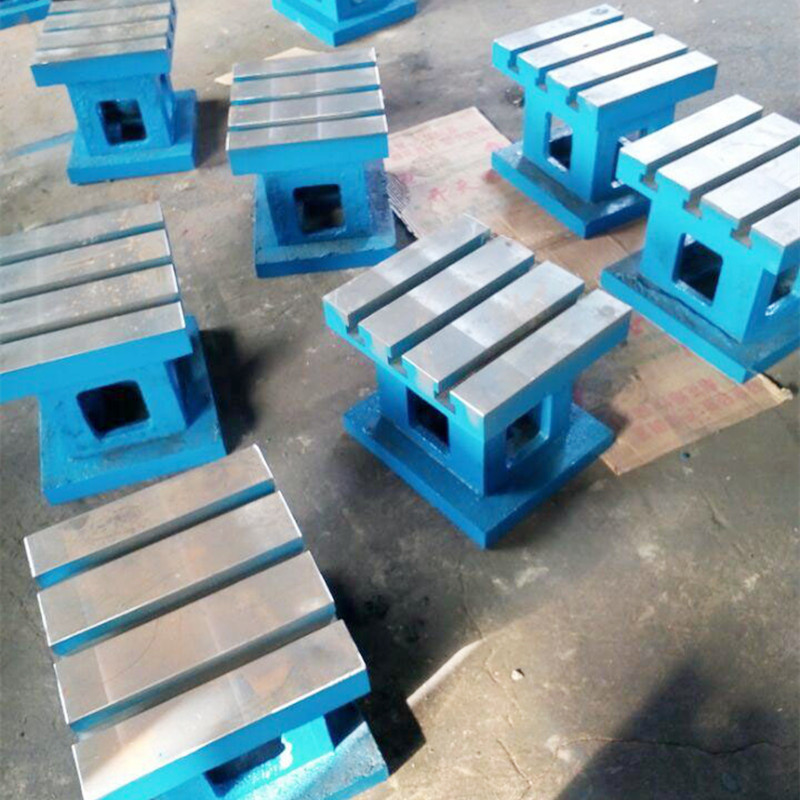
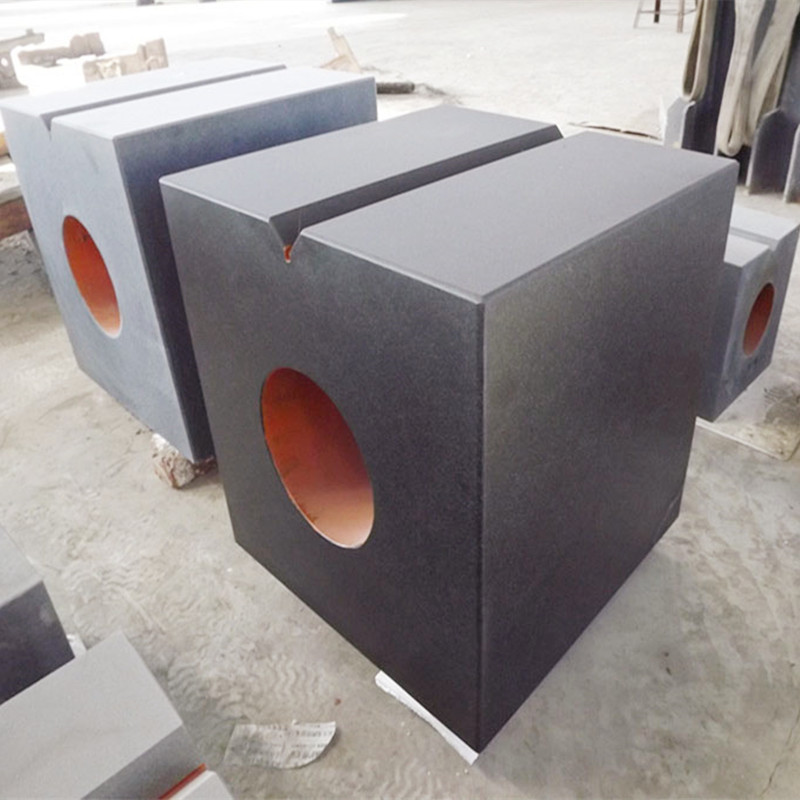
An inspection surface plate is a precision tool used in various industries for accurate measurements and inspections of mechanical components. It is typically made of granite or steel and has a flat surface with a high degree of flatness and parallelism. The surface plate is an essential tool in quality control processes, ensuring that parts are manufactured to the desired specifications. The primary purpose of an inspection surface plate is to provide a reference surface for measurements and inspections. The flatness and parallelism of the surface plate allow for precise measurements to be taken, ensuring that parts are within the specified tolerances. This is crucial for ensuring the quality and functionality of the final product. In addition to providing a reference surface for measurements, the inspection surface plate also serves as a stable and sturdy platform for conducting inspections. It is often used in conjunction with precision measuring instruments such as height gauges, dial indicators, and micrometers to ensure the accuracy of the measurements taken. The surface plate provides a reliable and repeatable surface for performing these measurements, ensuring consistent results. There are several factors to consider when choosing an inspection surface plate, including the material, size, and accuracy requirements. Granite surface plates are preferred for their stability, durability, and resistance to wear and tear. Steel surface plates are another option, known for their high precision and smooth surface finish Steel surface plates are another option, known for their high precision and smooth surface finish Steel surface plates are another option, known for their high precision and smooth surface finish Steel surface plates are another option, known for their high precision and smooth surface finish inspection surface plate . The size of the surface plate should be chosen based on the size of the parts being inspected and the space available in the inspection area. Accuracy requirements will vary depending on the specific measurements being taken, with higher precision plates required for more critical measurements. Proper care and maintenance of an inspection surface plate are essential to ensure its accuracy and longevity. The surface plate should be kept clean and free of any debris that could affect the measurements. Regular calibration and verification checks should be performed to ensure the accuracy of the surface plate. Additionally, the surface plate should be stored in a stable and temperature-controlled environment to prevent warping or distortion. In conclusion, an inspection surface plate is a vital tool in the quality control process for ensuring the accuracy and precision of mechanical components. It provides a stable and reliable reference surface for measurements and inspections, helping to maintain the quality and functionality of the final product. By choosing the right surface plate and properly maintaining it, companies can ensure the accuracy and reliability of their measurements, ultimately leading to improved product quality and customer satisfaction.
-

High quality industrial productsagement

High quality industrial products
View Details -

Meet the diverse needs of customers

Meet the diverse needs of customers
View Details -

Strict quality control

Strict quality control
View Details -

Top raw materials

Top raw materials
View Details -

Trusted supplier

Trusted supplier
View Details
Our application

news and information

valvole ad acqua accese o spente
Valvole dell'Acqua Accese o Spente? Nel mondo moderno, l’acqua è una risorsa preziosa e limitata. La
What are the Main Application Areas of Butterfly Valves
Butterfly valves , as an important industrial valve, have a wide and diverse range of applications.

Y Type Strainer Valve for Efficient Fluid Filtration and Flow Control
Understanding Y-Type Strainer Valves Importance and Applications In various industrial and commercia
 English